Featured

Pop that (filter) bubble!

As the name implies, filter bubble is used to filter information on websites and platforms to give consumers content they are likely to enjoy based on their online activities. Websites aim for users to visit their sites for a long period of time so they would be able to discover their preferences, beliefs, and opinions then use them to customize information for each user. While this sounds like a treat to businesses that do niche marketing or wish to target users more accurately, giving them a similar content might be too ordinary. Is it time for you to change your strategy? 
Since filter bubbles allow more accurate targeting, your content can speak directly to the users – almost the opposite of standard mass marketing, leading to higher leads, sales, and ROI. Because users are likely to be in a good mood as they consume content they’re interested in, they will be more receptive to your advertisements.

Person Holding Magnifying Glass
Retrieved from Pexels by Mauricio Mascaro (2017) as CC image

However, research suggests that an increasing number of consumers (63%) incline towards serendipitous content from brands’ marketing strategies, reporting more positive words such as curious, surprised, and intrigued. Targeted, relevant advertisements that are unexpected on the other hand, make a number of them (approximately 30%) feel annoyed, irritated, targeted, while labeling the advertisement as “intrusive”. It suggests that while users do not see targeted content as that much of a big deal, they still wish websites would give them a more balanced information between advertising and new content.

The information each individual receives online is more filtered than ever, preventing us to be exposed to new ideas, opinions, hence content. Content presumed to be irrelevant for consumers is excluded and this is where marketers should burst that filter bubble. Being personal might mean targeting audience with overly similar content. While this may bring happiness in a short term and make them feel contempt, a challenged audience might prove to be more valuable. They have been scrolling mindlessly on social media, going through waves of look-alike content, then BAM! your brand pops up. Through creating a unique, but still relevant content, your brand is likely to occupy a space in their minds. Imagine coming home to Chinese food on a Friday night after having Thai food for 4 days in a row, that’s how they would feel when seeing an ad that stands out. The recognition and feeling create the impression that your brand stands for something different compared to the brands they have been constantly exposed to, increasing the likelihood of engagement and positive attitude.

The filter bubble makes consumers see what they want to consume, not what they need to know. Pariser’s TED talk emphasizes the importance of a balanced information diet, as good sense of democracy won’t take place unless consumers get a good flow of information. Ethics are not embedded in algorithms so its up to the platform owners and marketers to give consumers a balanced diet of information vegetable (the one they need) and information dessert (the one they want or constantly consume). The question is are you ready to replace instant gratification and provide them with more serendipitous content? What about societal issues that your potential customers may not be aware but need to be addressed?

The choice is yours, marketers!

Featured

The Sharing Economy

Almost all of us here has contributed to the rise of the sharing economy. While the word “share” is defined as giving a portion of something to someone or others which clearly has a positive connotation, is that really the case in this scenario?

A poll conducted by the European Commission reports that ⅓ of people aged 25-29 have tried a sharing economy service, leading to changing consumer behavior in how people move and encourage traveling (Bae et al, 2017). The age group is known for being heavy users of social media, emphasizing the link between social media use and the sharing economy (Lin, 2020) as they have similar forms with a compulsory use of real names and display important information to both sellers and consumers.

While the barriers to entry are low and the platforms are easy to use, sharing economy is heavily dependent on social media to reach its target market while utilizing user rating and recommendation systems to encourage reputation building. From the outside perspective it’s merely a commercial transaction we are used to in this digital era but is the exchange of services for money the only thing that is involved in the transaction? They may be free to download and use for us but it seems like we are the products itself (Buckingham, 2017). They sell our personal data to advertisers; our locations, the stickers we use, the events we attend, and our deleted searches enable them to create an advertisement profile. Their facial recognition database could be used to gather all of our information available in other platforms which is…disturbing, at the very least.

two women facing security camera above mounted on structure
An accurate representation of social media platforms watching every single move we make.

The lack of regulations may encourage complacency as the providers are not required to follow as many rules (Neuberger, 2019). Airbnb rooms are not inspected, uber drivers only need to have a driver’s license and their vehicles approved while taxi drivers need to apply for driver accreditation consisting of a medical examination as well as examining their driving history. Although it makes the services more affordable, do we just accept the fact that we have to simply trust the providers with our needs and safety? 

Call me old-fashioned but what makes my experience meaningful with a brand is the personal interaction. With this new business model, customers do not feel the need to be loyal to a brand as they tend to pick the service with the lowest rates. UberEats may be my favorite but once I get that email saying I can use a code to get free delivery with no minimum order from Menulog, I’d switch with no hesitation for that specific purchase. More sign-up incentives and cheap deals lead to higher number of competitors that keep coming in, and one bad experience may result in instant brand-switching. While this is not particularly harmful to the society, it may be difficult for these brands to retain its customers while still keeping the same level of profit margins. 

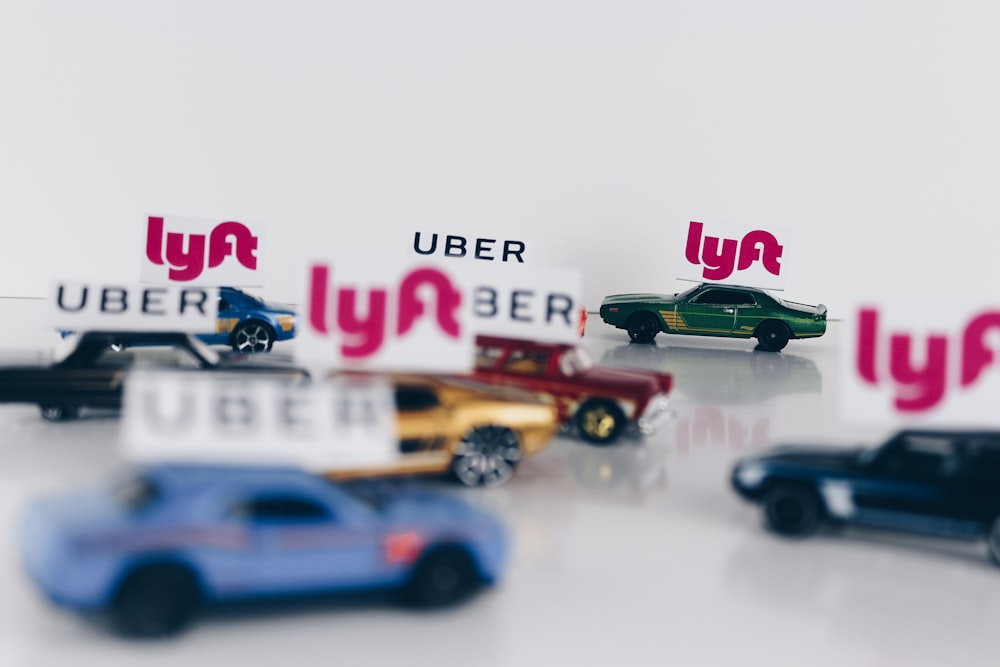
green coupe scale model
On the road there are countless cars from platforms like Uber, Lyft, DiDi, and other rideshare companies available at our fingertips

Let me know in the comments if there is any other aspect of the sharing economy you disapprove, or extremely pleasant and unpleasant experiences!

Disclaimer: all images used are creative commons

Featured

Emotional marketing: the master manipulator

Have you ever bragged about how you always make every decision based on logic and not emotions, unlike your friends who keep getting back with their toxic ex-partners? If the answer is yes, then prepare to be called out in this blog post, while getting new insights on how to weaponize them for your marketing strategies!

According to Frijda (1988), because emotions activate immediate (!!!) responses which enable humans to solve problems and identify opportunities in a timely manner, we have the tendency to feel rather than think, and this is where emotional marketing can be powerful in building viral campaigns on social media. This should not come as a surprise as the human nature of emotions makes the content more personally relevant, hence humanizing the brand (Dobele et al, 2007).

Okay, enough with the theories and research findings. I could continue roasting all of you who think that you are a logical human being 100% of the time but I need to pass this subject. Let’s dive into how to utilize them. 

What you are hoping to achieve should be the foundation of the strategy. Harvey (2018) states that different types of emotions trigger different responses to marketing campaigns. 

  • Campaigns dominated by happiness and positivity will lead to greater number of shares
Two Yellow Emoji on Yellow Case
Image retrieved from creative commons website
  • Sadness dominated content will generate higher click through rates and possibly increased reliance on the brand when the brand is presented as a solution to the customer’s problems. For example, healthcare providers and public service announcements employ scare tactics through graphic images and disheartening messages, exploiting the viewer’s vulnerability and fear to urge them to take actions.

If brand reach is the main goal, then creating delightful campaign, especially with content that matters most to your viewers will do the trick.

If increased reliance and long-lasting impression are your goals, showing the brand values and what it stands for through the emotional campaign works wonders (if you’re lucky).

Khuong and Tram (2015) implies that powerful emotional marketing works best when the objective is to increase brand awareness and influence consumers’ attitude, with the help of images and symbols that transform the campaign to be more truthful and human.

Take a look at Procter & Gamble “Thank you, Mom.” campaign video.

The medal image that appears along with the Olympics and P&G logo that says “proud sponsor of moms” and “worldwide partner” ripped my heart to pieces. The logo emphasizes that mothers around the world always trust P&G products to take care of their children.

Thank You, Mom Campaign Final 1 (1)

Now are you ready to tug at your customers’ heartstrings?

Tell me about the time when you create an impactful emotional campaign in the comments section and I’ll share my thoughts when I’m back! Gotta dry my tears and call my mom now 🙂

Design a site like this with WordPress.com
Get started